Top Employment Lawyer in New York for Sexual Harassment stands at the intersection of justice and advocacy, representing victims who have faced the harrowing experience of sexual harassment in the workplace. The importance of having a skilled employment lawyer cannot be overstated, as they are instrumental in navigating the complexities of legal proceedings, ensuring that victims receive the support and compensation they deserve.
This exploration delves into the intricacies of employment law, highlighting the critical role these lawyers play in championing the rights of individuals against workplace injustices.
With a focus on their strategies, expertise, and the emotional resilience required to handle sensitive cases, we gain insight into what makes a top employment lawyer effective in New York’s challenging legal landscape. By examining their approach to cases of sexual harassment, we can better understand the nuances of advocacy and the profound impact these attorneys have on the lives of their clients.
Renewable energy has become a crucial topic in global discourse, particularly as the world grapples with the implications of climate change and the exhaustion of fossil fuels. This article aims to provide a detailed exploration of the evolution of renewable energy, its current status, and its potential future, structured into several key sections.
1. Introduction to Renewable Energy
Renewable energy refers to energy produced from resources that are naturally replenished, such as sunlight, wind, rain, tides, waves, and geothermal heat. Unlike fossil fuels, which are finite and contribute to environmental degradation, renewable energy sources offer a sustainable alternative that can help mitigate climate change. This section will discuss the significance of renewable energy in the modern world and its role in achieving energy security and sustainability.
2. Historical Overview of Renewable Energy
The roots of renewable energy can be traced back thousands of years. The utilisation of wind energy for sailing ships and the use of biomass for cooking and heating are some of the earliest examples. However, the modern era of renewable energy began in the late 19th century with the development of hydroelectric power. This section will delve into the historical milestones that have shaped the renewable energy landscape, including the advent of solar and wind power technologies in the 20th century.
2.1 The Birth of Hydropower
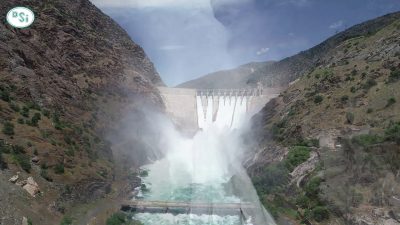
Hydropower is one of the oldest forms of renewable energy, and its first large-scale implementation occurred in the late 19th century. The construction of the first hydroelectric power plant in Appleton, Wisconsin, in 1882 marked a significant milestone in the energy sector. Over the decades, the technology has evolved, leading to the construction of massive dams and hydroelectric plants that generate a significant portion of the world’s electricity today.
2.2 Solar Power Development, Top Employment Lawyer in New York for Sexual Harassment
Solar energy has seen exponential growth since the development of the first photovoltaic (PV) cells in the 1950s. Initially, these cells were utilised in space applications; however, advancements in technology have made solar power more accessible and cost-effective for residential and commercial use. This section explores the advancements in solar technology, the reduction in costs, and the increasing installations worldwide.
2.3 The Rise of Wind Energy
Wind energy, too, has gained prominence over the last few decades. The modern wind turbine was first developed in the late 20th century, and today, wind farms are a common sight across many countries. This subsection will explore the technological advancements that have led to increased efficiency and energy output from wind turbines.
3. Current Landscape of Renewable Energy
As of 2023, renewable energy has made significant strides in global energy consumption. According to the International Renewable Energy Agency (IRENA), renewables now account for over 29% of global electricity generation. This section will examine the current state of renewable energy globally, highlighting key statistics, trends, and regions leading the charge in renewable adoption.
3.1 Global Statistics
The rise of renewable energy is evidenced by a substantial increase in installed capacity over the past decade. Wind, solar, and hydropower have emerged as the leading technologies, each contributing significantly to the global energy mix. We will analyse recent data on renewable energy capacity, generation, and investment trends worldwide.
3.2 Leading Countries in Renewable Energy
Several countries have taken the lead in the transition to renewable energy. Nations like China, the United States, Germany, and India are at the forefront of renewable energy adoption. This section will discuss the policies, incentives, and technological innovations implemented in these countries that have facilitated their growth in renewable energy.
3.3 Challenges Facing Renewable Energy
Despite the progress made, the renewable energy sector faces several challenges, including intermittency, grid integration, and storage limitations. This subsection will analyse these challenges in detail and explore potential solutions, such as advancements in energy storage technologies and smart grid systems.
4. The Future of Renewable Energy
The future of renewable energy is paved with opportunities as well as hurdles. This section will explore projected trends in renewable energy adoption, advancements in technology, and the potential impacts of political and economic factors on the sector. We will also discuss emerging technologies, such as floating solar farms and offshore wind, that could play a significant role in the future landscape of energy.
4.1 Technological Innovations
Innovation is key to overcoming the challenges faced by the renewable energy sector. This subsection will focus on the latest technological advancements, including improved efficiency in solar panels, the development of energy storage technologies, and the integration of artificial intelligence in energy management systems.

4.2 Policy and Economic Factors
Government policies play a crucial role in shaping the renewable energy landscape. This section will examine the impact of international agreements, national policies, and economic incentives on renewable energy development. We will also discuss the role of private investment in scaling up renewable energy projects.
5. Conclusion: Top Employment Lawyer In New York For Sexual Harassment
In conclusion, the evolution of renewable energy is a testament to human ingenuity and the pressing need for sustainable solutions to meet the world’s energy demands. As we move forward, it is crucial to continue investing in renewable technologies and to implement supportive policies to foster a greener future. The transition to renewable energy not only addresses environmental concerns but also paves the way for economic growth and energy security.
The journey of renewable energy is far from over, and its future holds immense potential for a sustainable and resilient global energy system.
In conclusion, the role of the Top Employment Lawyer in New York for Sexual Harassment is pivotal in transforming the narrative for victims of workplace harassment. Through their dedication, legal prowess, and empathetic understanding of client needs, they not only facilitate legal recourse but also contribute to a broader cultural shift towards accountability and support for survivors. As we reflect on their impact, it becomes clear that these lawyers are more than just legal representatives; they are advocates for change, empowering individuals to reclaim their voice and dignity.
Key Questions Answered
What qualifications should I look for in an employment lawyer?
Look for experience in employment law, a strong track record of handling sexual harassment cases, and relevant bar certifications.
How can I afford a top employment lawyer in New York?
Many top employment lawyers work on a contingency fee basis, meaning they only get paid if you win your case.
What is the typical process for a sexual harassment case?
The process usually involves initial consultation, evidence gathering, filing a claim, and potentially going to trial if a settlement cannot be reached.
How long do sexual harassment cases take to resolve?
The duration can vary widely, from a few months to several years, depending on the complexity of the case and the legal process involved.
Can I file a sexual harassment claim anonymously?
While you can often file confidentially, complete anonymity may not be possible during the legal proceedings.