Top Employment Lawyer in London for Discrimination Claims sets the stage for an exploration of the vital role that specialized legal professionals play in navigating the complex landscape of employment law. Discrimination claims represent a significant and sensitive area, where individuals seek justice against unfair treatment in their workplaces. Understanding the intricacies of these cases requires not only legal expertise but also an empathetic approach that considers the personal impact on the affected individuals.
In this context, an employment lawyer’s ability to advocate effectively can be the difference between a successful resolution and prolonged distress. The landscape of discrimination claims is multifaceted, encompassing various forms such as gender, race, disability, and age discrimination. Each case presents unique challenges and demands a thorough understanding of the law, the dynamics of workplace environments, and the emotional toll on clients.
As we delve deeper, we will uncover what makes an employment lawyer in London particularly adept at handling these critical matters.
Renewable energy has emerged as a pivotal component in the global transition towards sustainable energy systems. Over the past few decades, the increasing urgency to address climate change and the depletion of fossil fuel resources have driven significant advancements in renewable energy technologies. This article delves into the evolution of renewable energy, exploring its various forms, technological innovations, economic implications, and future prospects.
1. Understanding Renewable Energy
Renewable energy refers to energy derived from natural sources that are replenished at a rate faster than they are consumed. The primary forms of renewable energy include solar, wind, hydroelectric, geothermal, and biomass. Each of these energy types has unique characteristics, advantages, and challenges that influence their adoption and development.
2. Historical Background
The use of renewable energy dates back thousands of years. Ancient civilisations utilised solar energy for heating and light, while wind power was harnessed for sailing vessels and milling grain. However, the modern era of renewable energy began in earnest in the late 20th century, spurred by the energy crises of the 1970s. Nations began to invest in alternative energy sources to reduce reliance on imported fossil fuels.
3. Technological Advancements in Renewable Energy
Technological innovation has been at the heart of the renewable energy revolution. The following sections Artikel some of the most significant advancements in various renewable energy sectors.
3.1 Solar Energy
Solar energy technologies have evolved from rudimentary solar panels to sophisticated photovoltaic (PV) systems and concentrated solar power (CSP) technologies. PV cells, which convert sunlight directly into electricity, have become increasingly efficient, with leading-edge technologies achieving efficiencies of over 25%. Innovations such as bifacial solar panels and solar tracking systems enhance energy capture, making solar energy one of the fastest-growing energy sources worldwide.
3.2 Wind Energy, Top Employment Lawyer in London for Discrimination Claims
Wind energy technology has also advanced significantly, with modern wind turbines capable of generating large amounts of electricity from relatively low wind speeds. The development of larger, more efficient turbine designs, including offshore wind farms, has expanded the potential for wind energy generation. Technological improvements in materials and aerodynamics have increased turbine longevity and reduced maintenance costs.
3.3 Hydroelectric Power
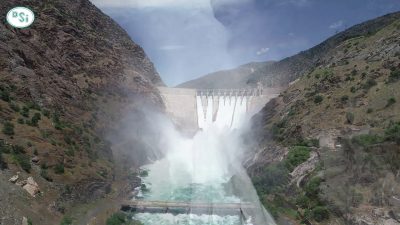
Hydroelectric power has long been a reliable source of renewable energy. However, recent innovations focus on minimising environmental impacts and improving efficiency. Small-scale hydroelectric systems and run-of-the-river technologies offer alternatives to traditional large dams, reducing ecological disruption while still harnessing the power of flowing water.
3.4 Geothermal Energy
Geothermal energy extraction methods have advanced, allowing for greater efficiency in harnessing heat from the Earth’s interior. Enhanced geothermal systems (EGS) and improvements in drilling technology have opened new areas for geothermal energy exploitation, making it a viable option for baseload power generation.
3.5 Biomass Energy
Biomass energy, derived from organic materials, has seen advances in conversion technologies. Innovations in gasification and anaerobic digestion enable more efficient transformation of biomass into biofuels and biogas, providing cleaner alternatives to fossil fuels.
4. Economic Implications of Renewable Energy
The transition to renewable energy has significant economic implications. While the initial capital investment for renewable energy technologies can be high, the long-term benefits often outweigh these costs. The decreasing cost of solar and wind technologies has made them competitive with fossil fuels, leading to a shift in energy markets.
4.1 Job Creation
The renewable energy sector is a significant source of job creation. As the industry grows, so does the demand for skilled workers in manufacturing, installation, maintenance, and research. According to the International Renewable Energy Agency (IRENA), the renewable energy sector employed over 11 million people worldwide in 2018, with this number expected to rise as the sector expands.
4.2 Energy Independence
Investing in renewable energy can enhance energy independence for countries reliant on imported fossil fuels. By harnessing local renewable resources, nations can reduce vulnerability to global energy market fluctuations and enhance energy security.
4.3 Economic Growth
Renewable energy investments stimulate economic growth by fostering innovation, attracting investments, and creating new markets. Governments are increasingly recognising the economic potential of renewable energy as part of their responses to climate change and energy demands.
5. Environmental Impact of Renewable Energy
While renewable energy is often touted as a cleaner alternative to fossil fuels, it is essential to consider the environmental impacts associated with its production and deployment. Each renewable energy source has unique environmental challenges that must be managed effectively.
5.1 Solar Energy
The production of solar panels involves the use of hazardous materials and energy-intensive processes. However, once operational, solar energy systems produce minimal emissions compared to fossil fuels. Efforts are underway to improve the sustainability of solar panel production, including recycling and reducing waste.
5.2 Wind Energy
Although wind energy is one of the cleanest sources of power, concerns regarding its impact on wildlife, particularly birds and bats, persist. Ongoing research aims to mitigate these impacts through better siting and design of wind farms.
5.3 Hydroelectric Power
Large hydroelectric projects can disrupt local ecosystems and displace communities. However, smaller-scale projects and innovative designs are being developed to minimise ecological disruption while still providing renewable energy.
5.4 Geothermal Energy
Geothermal energy production can lead to land subsidence and water contamination if not managed appropriately. Sustainable geothermal practices are crucial to mitigate these risks.
5.5 Biomass Energy
The use of biomass can lead to deforestation and land-use changes if not sourced sustainably. Adopting sustainable sourcing practices is vital to ensuring that biomass energy contributes positively to the environment.
6. Policy and Regulation in the Renewable Energy Sector
Government policies and regulations play a crucial role in shaping the renewable energy landscape. Supportive policies can drive investment and innovation, while unclear regulations can create barriers to entry for new technologies.
6.1 Incentives and Subsidies
Many governments offer incentives, such as tax credits and subsidies, to encourage the adoption of renewable energy technologies. These measures help lower the cost of renewable energy systems for consumers and businesses, stimulating market growth.
6.2 Renewable Energy Standards
Renewable Portfolio Standards (RPS) mandate that a certain percentage of energy must come from renewable sources. These standards drive utilities to invest in renewable energy projects, contributing to the overall growth of the sector.
6.3 International Agreements
International agreements, such as the Paris Agreement, play a critical role in driving global action on climate change and encouraging countries to transition to renewable energy sources. These agreements set ambitious targets for reducing greenhouse gas emissions, prompting nations to invest in cleaner energy systems.
7. The Future of Renewable Energy
The future of renewable energy appears promising, with continued advancements in technology, increasing investment, and growing public awareness of climate issues. However, challenges remain that must be addressed to ensure a sustainable energy transition.
7.1 Technological Innovations
Ongoing research and development are critical for improving the efficiency and effectiveness of renewable energy technologies. Future innovations may include advancements in energy storage solutions, grid integration, and new renewable energy sources such as tidal and wave energy.
7.2 Energy Storage Solutions
Energy storage is one of the most significant challenges facing renewable energy. As renewable energy generation can be intermittent, effective storage solutions are needed to ensure a reliable energy supply. Technologies such as lithium-ion batteries, pumped hydro storage, and emerging alternatives like solid-state batteries hold promise for enhancing energy storage capabilities.
7.3 Smart Grids
The integration of renewable energy into existing power grids requires the development of smart grids. These advanced energy systems leverage digital technology to enhance grid management, improve efficiency, and facilitate the integration of distributed energy resources.
8. Conclusion
The evolution of renewable energy represents a significant shift in how societies produce and consume energy. As advances continue to be made in technology, policy, and public acceptance, the potential for renewable energy to address climate change and drive economic growth becomes increasingly apparent. By embracing renewable energy, countries have the opportunity to create a sustainable energy future for generations to come.
In conclusion, the role of a top employment lawyer in London for discrimination claims is indispensable in ensuring that justice is served for those who face unfair treatment in their workplaces. Their expertise not only helps navigate the legal complexities but also provides support to clients throughout their challenging journeys. As the landscape of employment law continues to evolve, the importance of skilled advocacy remains paramount, reinforcing the need for individuals facing discrimination to seek the best legal representation available.
Detailed FAQs: Top Employment Lawyer In London For Discrimination Claims
What should I look for in an employment lawyer?
Consider their experience in discrimination cases, client testimonials, and their approach to communication and empathy.
How long does a discrimination claim take to resolve?
The duration can vary significantly based on the complexity of the case, but it usually takes several months to over a year.
What kind of compensation can I expect from a discrimination claim?
Compensation may include lost wages, emotional distress damages, and potentially punitive damages, depending on the case specifics.
Is there a fee for an initial consultation with an employment lawyer?

Many employment lawyers offer free initial consultations to discuss your case and evaluate the potential for a claim.
Can I represent myself in a discrimination case?
While it’s possible to represent yourself, it is highly recommended to seek legal representation due to the complexities involved in employment law.